
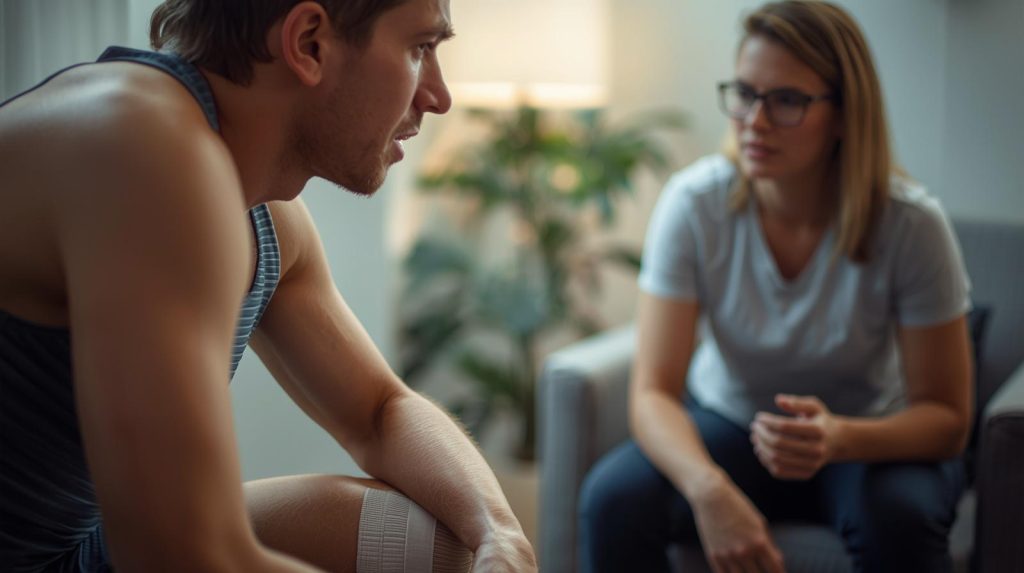
Injury is one of the hardest parts of being an athlete. It doesn’t just affect your body; it can shake your confidence, disrupt your routines and leave you wondering who you are without training or competition. For athletes in places like Stirling, Alloa, Falkirk, Glasgow and across Scotland, the psychological impact of time away from sport can be just as challenging as the physical rehab. Sport psychology can play a key role in helping you navigate this and return in a way that feels safe and sustainable.
The emotional impact of injury
After an injury, athletes often report a mix of emotions:
- Frustration or anger at being sidelined.
- Anxiety about the future and whether they’ll get back to their previous level.
- Loss of confidence in their body and its ability to cope.
- Worries about letting coaches, teammates or family down.
- Feeling isolated from their team or training group.
- A sense of losing identity or purpose when sport has been a big part of who they are.
These reactions are completely understandable, but they can make rehabilitation feel much harder if they’re not acknowledged and supported.
How sport psychology can help during rehab
Working with a sport psychologist alongside physio or medical treatment can support you to:
- Make sense of the emotional ups and downs of rehab and normalise what you’re feeling.
- Set realistic, meaningful goals for each stage of recovery, not just the final return to play.
- Develop tools to manage pain, frustration and fear of re‑injury.
- Use imagery and other mental skills to maintain or rebuild confidence in your body.
- Stay connected with your team or sport community in ways that feel helpful.
- Prepare mentally for returning to training and competition, including “firsts” like first contact, sprint, jump or tackle after injury.
The focus is always on working alongside your rehab plan, not replacing or contradicting medical advice.
Practical strategies we might use
Depending on your situation, sessions might include:
- Goal‑setting: breaking down rehab into manageable steps so progress is visible.
- Imagery and visualisation: mentally rehearsing movements, skills or successful returns to competition.
- Self‑talk and coping statements: shifting from harsh, critical thoughts to more balanced and constructive ones.
- Relaxation and breathing techniques: managing pain, tension and anxiety.
- Identity and values work: exploring who you are beyond your sport while still honouring how important it is to you.
These tools are always tailored to your sport, stage of rehab, and personal preferences.
Support for injured athletes in Stirling, Central Scotland and beyond
From Stirling, I work with injured athletes in the local area – including Alloa, Falkirk and Glasgow – and online with people across Scotland and the wider UK. This makes support accessible whether you’re rehabbing in a busy city club, a university environment or a smaller community team. Sometimes just a few sessions at key points – such as immediately after diagnosis or just before return to play – can make a significant difference to how you cope and how confident you feel.
If you’re currently injured and struggling with the mental side of recovery, you don’t have to navigate it alone. You’re welcome to contact me to talk about whether sport psychology support could help you move forward and return to the sport you love.